
By using our website, you agree to the use of cookies as described in our Cookie Policy
South Florida Sportfishing Charter Tips & Info
Our blog shares practical tips and local insights for anyone planning a fishing charter, sunset cruise, or sandbar trip in South Florida. From what to pack to seasonal fishing advice, each post is written to help you get the most out of your time on the water with Don’t Panic Sportfishing – South Florida Boat Charter. Ready to get out on the water? Call 954-263-4648 or book now to reserve your trip.
Is Your Target Species Best Caught Offshore in South Florida?
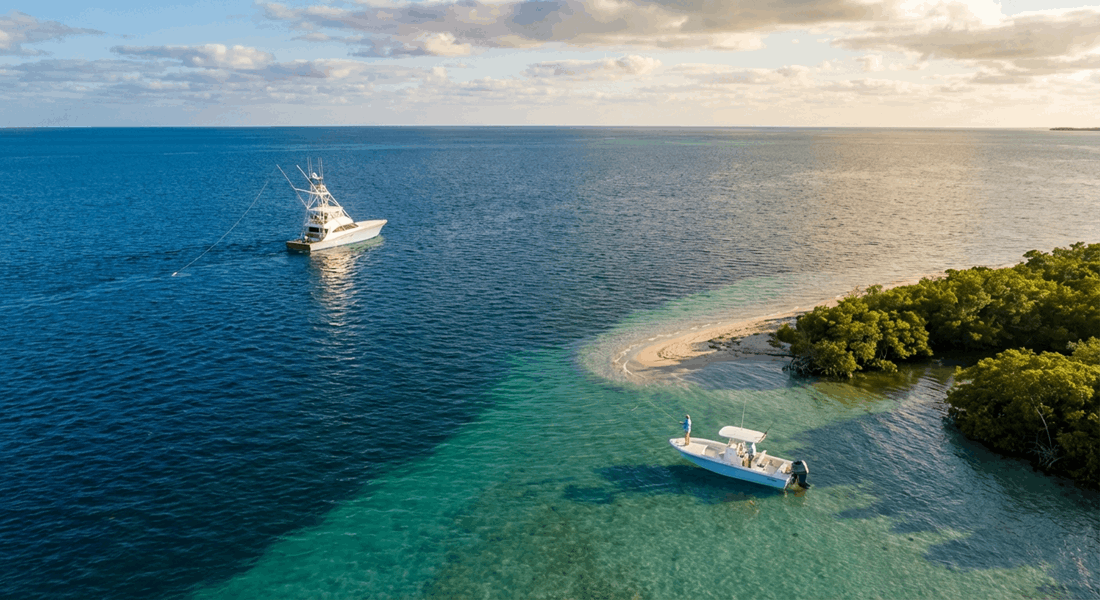
Most anglers think offshore means bigger fish. And they're not wrong. But the real question isn't whether you can catch something impressive out there — it's whether the species you're chasing actually lives in deep water. South Florida's fishing scene splits clean down the middle. Some fish won't leave the flats. Others won't come near them. And if you're burning fuel to chase a species that feeds in three feet of water, you're wasting time and money.
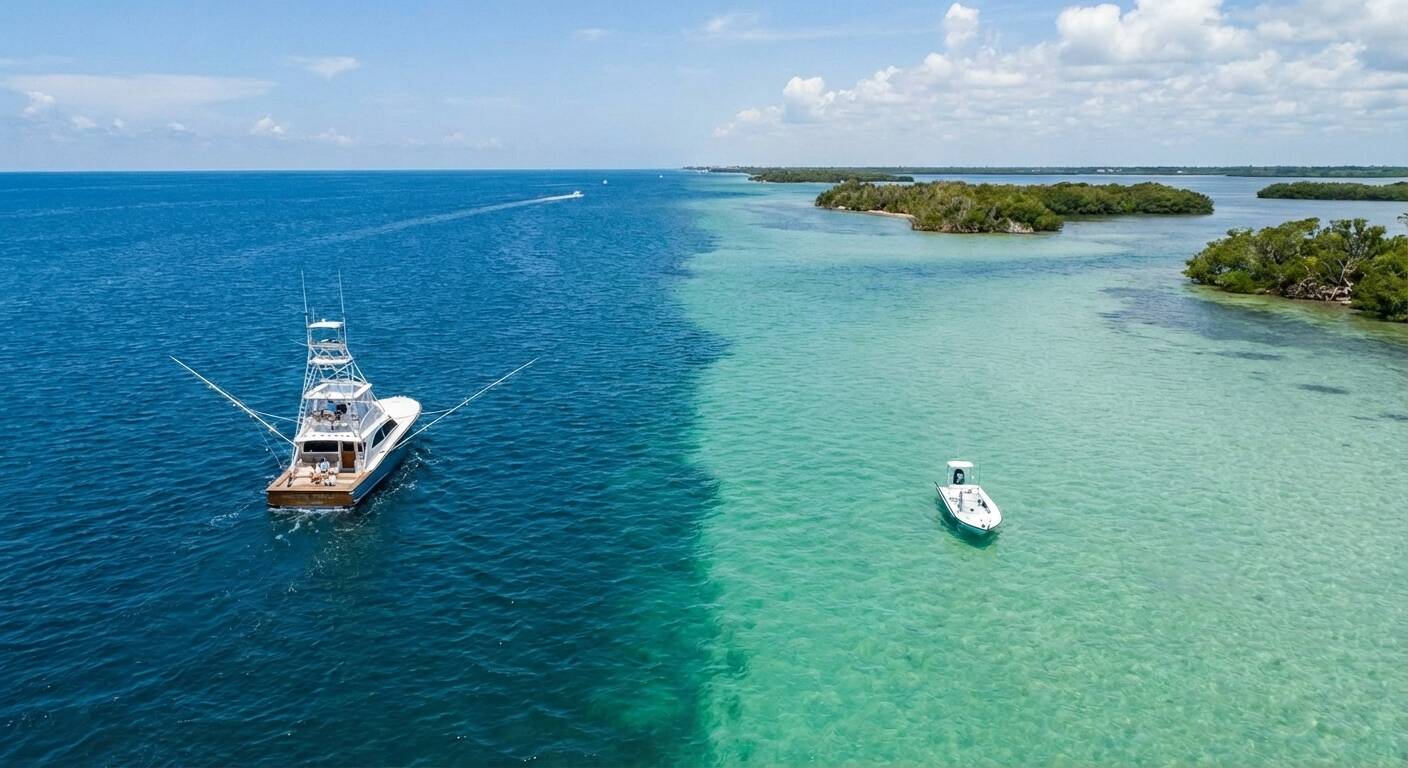
The Atlantic side of South Florida sits right on the edge of the Gulf Stream. That current pulls warm water and baitfish close to shore, which means pelagic predators follow. But not every target swims that route. Plenty of trophy fish spend their entire lives in the backcountry, around mangroves, or cruising grass beds you can see from the dock. Knowing where your species actually feeds is the difference between a full cooler and an expensive boat ride.
What Offshore Actually Means Here
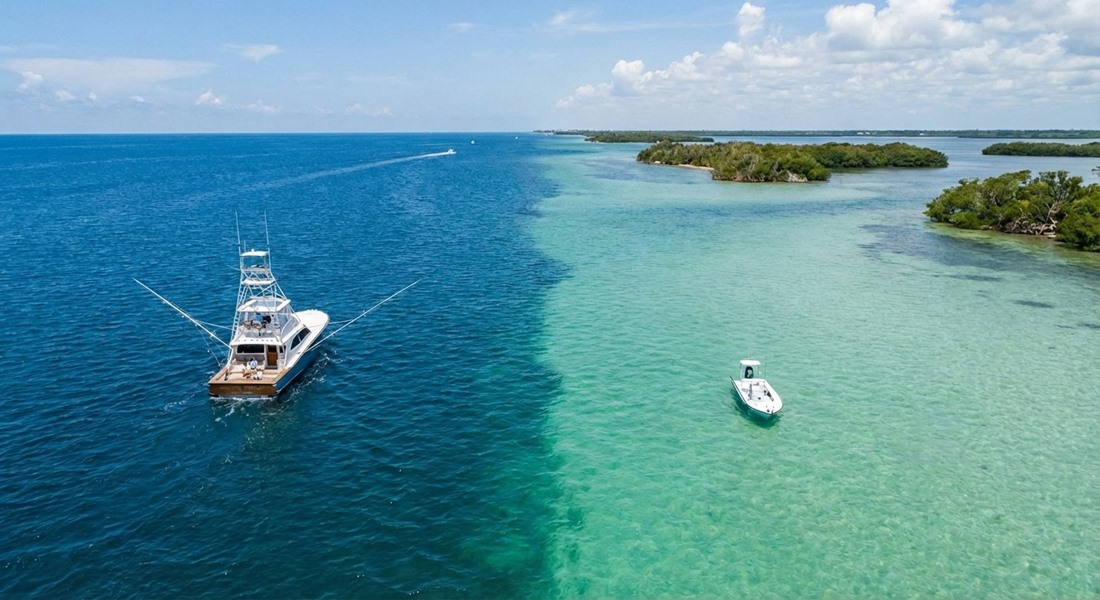
Offshore fishing in South Florida typically starts a few miles out, where the bottom drops and the color changes from green to deep blue. You're past the reefs, past the wrecks, and into open water where structure is scarce and current is king. The Gulf Stream runs close — sometimes within ten miles of the coast — and that proximity is what makes this region different from most of the country.
Out there, you're dealing with different rules. The fish are faster, the fights are longer, and the weather can turn before you see it coming. You'll need a capable boat, proper electronics, and enough fuel to get back if conditions shift. It's not a casual trip, and it's not the right move for every species on your list.
The Fish That Live in Blue Water
If you're targeting pelagic species or deep-dwelling predators, offshore deep sea fishing is where you need to be. These fish don't hang around the shallows. They follow bait schools, temperature breaks, and current edges that only exist in deeper water.
- Mahi-Mahi: Found near weed lines, floating debris, and current edges from late spring through fall. They move fast and hit hard.
- Sailfish: Peak season runs November through March. They cruise the edge of the Gulf Stream and respond well to live bait and kite fishing.
- Wahoo: Winter months bring the best action. High-speed trolling is the standard approach, and they're known for blistering runs.
- Blackfin Tuna: More common than yellowfin in South Florida. They school up offshore and are often caught by chunking or trolling small lures.
- King Mackerel: Spring and fall migrations bring them close to the coast, but the bigger fish stay offshore near structure and bait pods.
When Shallow Water Wins
Plenty of South Florida's most sought-after species never venture into deep water. They're built for the flats, the mangroves, and the estuaries. Chasing them offshore is a losing game, no matter how much horsepower you've got.
Snook, tarpon, redfish, and bonefish all thrive in water you can wade through. They feed on crabs, shrimp, and small baitfish that live in the grass and around the roots. These fish are ambush predators or opportunistic feeders, and they don't need the open ocean to survive. If your target is on this list, you're better off staying inshore or heading into the backcountry.
Costs Add Up Fast
Offshore trips aren't cheap. Fuel alone can run hundreds of dollars, especially if you're running twenty or thirty miles out. Add in the wear on your boat, the cost of live bait, and the time it takes to get there and back, and you're looking at a serious investment.
Charters help, but they come with their own price tag. A full-day offshore trip can easily cost over a thousand dollars, and that's before you factor in tips or fish cleaning. If your target species doesn't require that kind of range, you're paying for distance you don't need.
How to Know Where Your Fish Actually Lives
Don't guess. Do the research before you book the trip or load the boat. Every species has a preferred habitat, and most of them stick to it year-round unless they're migrating or spawning.
- Check seasonal patterns: Some fish move offshore during certain months, while others stay put.
- Talk to local captains: They know what's biting, where it's biting, and what's working right now.
- Look at recent reports: Bait shops and online forums post real-time updates on what's being caught and where.
- Understand the food chain: If your target eats baitfish that school offshore, that's where you'll find them. If they eat crabs and shrimp, stay shallow.
Weather and Safety Change the Game
Offshore conditions can shift in minutes. A calm morning can turn into three-foot seas by noon, and if you're twenty miles out, you're committed to the ride back. Safety isn't optional, and neither is preparation.
Check the forecast before you leave. Watch for wind speed, wave height, and any fronts moving through. If conditions look marginal, it's smarter to stay inshore or reschedule. No fish is worth getting caught in rough water with nowhere to hide. Understanding South Florida weather changes can help you make better decisions on the water.
Gear Requirements Are Different
Offshore fishing demands heavier tackle, longer rods, and reels that can handle sustained pressure. You'll need a livewell that can keep bait healthy for hours, electronics that can mark fish in deep water, and enough line capacity to deal with long runs.
- Rods and reels: Offshore setups are built for power and endurance, not finesse.
- Bait and lures: Live bait works, but so do high-speed trolling lures and rigged ballyhoo.
- Safety equipment: VHF radio, flares, life jackets, and a first aid kit are non-negotiable.
- Navigation tools: GPS, chartplotter, and radar help you find structure and get back safely.
Knowing what fishing gear to bring can make the difference between a successful trip and a frustrating one.
When Inshore Delivers Better Results
Inshore fishing offers shorter runs, lower costs, and access to species that won't swim in open water. The action can be just as intense, and the fish just as challenging. Tarpon, snook, and redfish all put up serious fights, and you don't need to burn a tank of gas to find them.
If your goal is variety, inshore waters give you more options. You can target multiple species in a single trip, move quickly between spots, and adjust your approach based on conditions. Offshore fishing is more specialized — you're usually committed to one or two target species for the entire day. For those interested in learning more about the differences, comparing inshore vs offshore fishing provides valuable insights.
Match Your Strategy to Your Target
South Florida's waters are stacked with opportunity, but only if you're fishing the right zone. Offshore trips pay off when you're chasing pelagic predators or deep-water species that won't come shallow. For everything else, the answer is closer to shore.
- Know your species: Research where it feeds, spawns, and migrates.
- Factor in the season: Some fish move offshore during specific months, others stay put.
- Weigh the costs: Offshore trips are expensive. Make sure the payoff matches the investment.
- Prioritize safety: Conditions offshore are less forgiving. Plan accordingly.
- Use local knowledge: Captains and guides know what's working right now, not what worked last year.
Understanding best times for deep sea fishing in South Florida can help you plan your trips more effectively and target the species you're after when they're most active.
Fish Smart, Not Just Far
Distance doesn't equal success. The best anglers in South Florida know exactly where their target species lives, and they don't waste time fishing water that won't produce. Offshore has its place, but so does the backcountry, the flats, and the nearshore reefs. Your job is to match your effort to the fish you're after, not the other way around. Do that, and you'll spend less time running and more time fighting fish. Exploring best fishing spots in South Florida can help you identify productive areas for your target species.
Ready to Plan Your Next Trip?
Let’s make sure your next day on the water is a success, not a guessing game. We know these waters and the habits of every target species, so you can fish smarter and get the most out of your time. Give us a call at 954-263-4648 or contact us today to talk about your goals and get expert advice for your next South Florida fishing adventure.
‹ Back
Recent Posts
-
Should You Book a Morning or Afternoon Fishing Charter in South Florida?
September 7, 2026
-
What Fish Can You Catch on a South Florida Fishing Charter?
August 24, 2026
-
-
-