By Don't Panic Sportfishing General
Most anglers think booking a charter is just about showing up and casting a line. But the clock starts ticking the second you leave the dock - and if you didn't plan for enough time, you're already behind. South Florida's offshore waters are packed with opportunity, but reaching the good stuff takes more than optimism.
It takes hours. And if you're not giving yourself enough of them, you're fishing the wrong water or heading back before the bite even starts.
Here's what matters. The species you're chasing live in different zones. The weather doesn't care about your schedule.
And your captain can only work with the time you give them. Book too short, and you'll spend half the trip just getting there. Book smart, and you'll actually have a shot at what you came for.
Trip Length Isn't Just a Number
Charters in South Florida run anywhere from four hours to multi-day expeditions. Each window serves a different purpose, and pretending they're interchangeable is how you end up disappointed. Half-day trips work for families, first-timers, or anyone testing the waters before committing. Full-day charters are built for serious fishing - the kind where you're targeting species that don't hang out in the shallows.
Then there are the overnight and extended runs. Those are for anglers who want access to deep-water zones where the real trophies live. You're not just fishing longer - you're fishing different water entirely. And that changes everything.
- Half-day trips keep you closer to shore and focus on smaller, more accessible species.
- Full-day charters give you time to reach offshore hotspots and wait out the bite.
- Extended trips open up deep-water zones that shorter runs can't touch.
- Overnight excursions let you fish prime hours without burning daylight on travel.
What You're After Decides How Long You Need
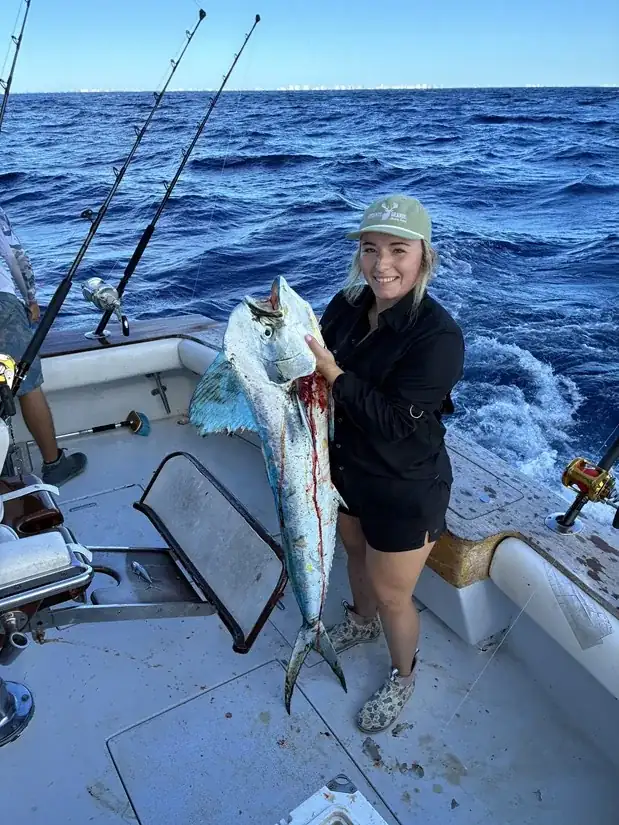
If you're looking to relax, catch a few fish, and call it a day, four or five hours might be plenty. You'll stay within range of the coast, target species like snapper or kingfish, and still make it back for lunch. But if you're chasing mahi, tuna, sailfish, or anything with real size and fight, you need more time. Those fish don't live where the half-day boats go.
Reaching offshore grounds can take an hour or more depending on conditions and departure point. That's before you even start fishing. On a short trip, you might only get two or three hours of actual line-in-the-water time. On a full-day charter, you've got the runway to set up, move spots, and adjust tactics without watching the clock.
- Inshore and nearshore species are accessible on shorter trips.
- Pelagic game fish require deeper water and longer travel times.
- Big tuna, marlin, and sailfish are found miles offshore, not minutes.
- A full day gives your captain room to relocate if the first spot isn't producing.
Travel Time Eats Into Fishing Time
Most people forget that the meter's running while you're still in transit. Depending on where you launch and what you're targeting, it can take 30 to 90 minutes just to reach productive water. On a four-hour charter, that's a huge chunk of your window. You're left with a narrow margin to find fish, hook them, and land them before it's time to head back.
Full-day trips absorb that travel time without sacrificing your fishing hours. You've got the flexibility to push further, stay longer, and work multiple spots if needed. That's the difference between hoping for a bite and actually setting yourself up for one.
Weather Doesn't Wait for Your Schedule
South Florida's conditions shift fast. Afternoon storms roll in during summer. Wind picks up.
Seas get choppy. If you're on a tight timeline, bad weather can kill your trip before it starts. A longer charter gives your captain options - wait it out, move to calmer water, or adjust the plan without cutting your day short.
We've seen plenty of half-day trips turn into sightseeing runs because the weather didn't cooperate. With more time on the clock, you can ride out delays and still get quality fishing in. That's not luck. That's planning.
- Summer storms are common and can delay departure or force early returns.
- Longer trips give you buffer time to work around weather windows.
- Rough seas slow travel and reduce fishing efficiency on short charters.
- Captains can adjust routes and timing when they're not racing the clock.
Experience Level Changes the Equation
If you've never been offshore or you're prone to seasickness, jumping into an eight-hour trip might be rough. Literally. Shorter charters let you test your tolerance without committing to a full day of swells and sun. But if you're comfortable on the water and serious about landing something worth talking about, longer trips are where the payoff lives.
Experienced anglers know that patience wins offshore. Fish don't bite on command. Sometimes you wait.
Sometimes you move. Sometimes the action doesn't start until hour five. If you're already heading back by then, you missed it.
Talk to Your Captain Before You Book
Your captain knows the water, the season, and what's biting. They can tell you whether a half-day makes sense or if you're wasting your time. Don't guess.
Ask. Tell them what you want to catch, how much experience you have, and what kind of trip you're hoping for. They'll steer you toward the right window - and if they're good, they'll be honest when your expectations don't match your timeline.
Quality beats quantity, but only if you're giving yourself enough time to find quality in the first place. A short trip can be great if it's action-packed. A long trip can be a bust if the fish aren't cooperating. But stacking the odds in your favor starts with booking enough hours to actually fish, not just ride.
- Captains can recommend trip length based on target species and season.
- Honest communication upfront prevents disappointment on the water.
- Some species require specific conditions that only align during certain hours.
- A good captain won't oversell a short trip if it's not the right call.
Don't Shortchange Your Shot
Booking a charter isn't just about getting on a boat. It's about giving yourself a real chance to catch what you came for. South Florida's offshore fishing is top-tier, but it doesn't happen in a vacuum. The fish are out there.
The question is If you are giving yourself enough time to reach them, find them, and bring them in. If you're cutting corners on the clock, you're cutting into your results. Plan smart, book long enough, and let the water do what it does best.
Book Enough Hours to Get Where the Fish Are
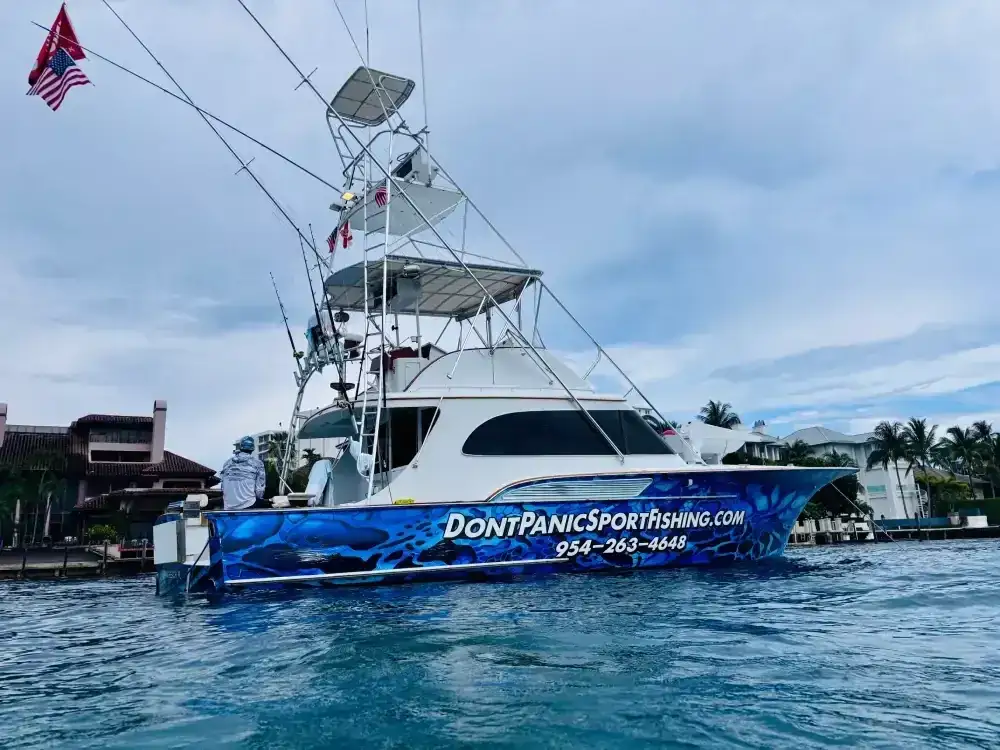
Every charter is an investment in memories and big catches, so give yourself the hours to chase the fish you want. Tell us your targets and we will recommend four, six or eight hours honestly. Call (954) 263-4648 whenever you are ready, or contact us to plan your offshore charter, and get set up for your best day yet.
Frequently Asked Questions
What trip lengths do you offer and what do they cost?
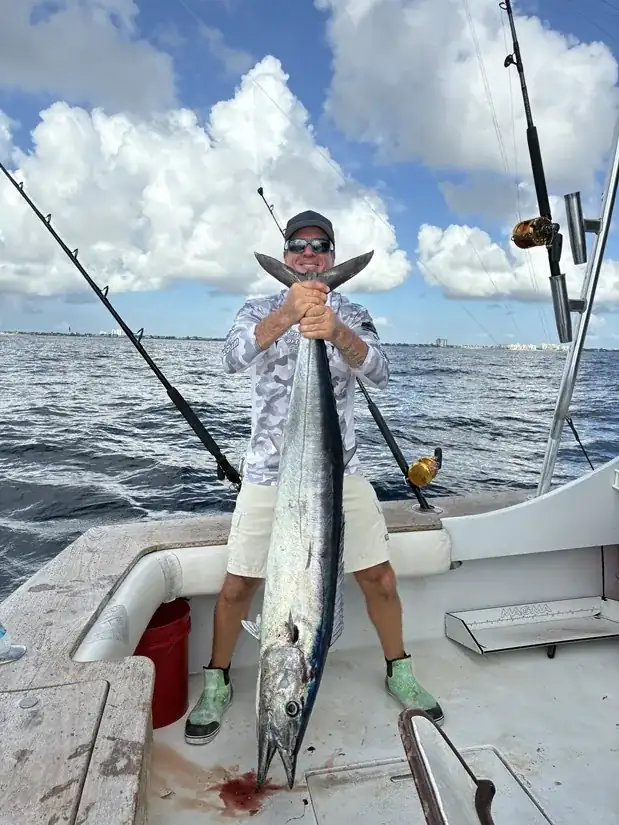
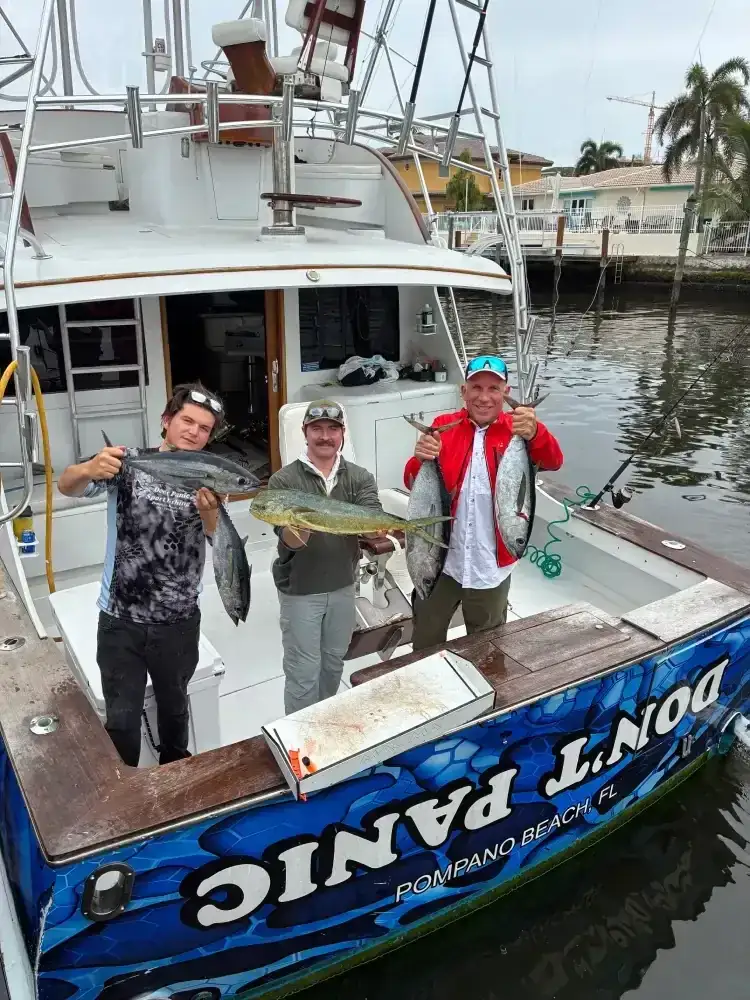
Private trips run 4 hours for $850, 6 hours for $1,250 and 8 hours for $1,600, all for groups of up to 6. A full-day Pompano Beach fishing charter is the right call for mahi, tuna and wahoo, since it leaves time to try new spots when the first one goes quiet.
How long does it take to reach productive water from Pompano Beach?
A short run. From Hillsboro Inlet it is a 1 to 5 mile run to the reefs, wrecks, ledges and the drop-off, with the Gulf Stream sitting right off the beach. That is far shorter than the 30 to 90 minute runs the article describes, so even a four-hour trip gets real fishing time.
Is four hours enough to catch a sailfish?
In winter, it can be. The sailfish bite is strongest November through March along the Gulf Stream edge, which is only a few miles out, so a half-day trip has a real shot. For the best odds, or if you also want mahi and tuna, book six or eight hours.