By Don't Panic Sportfishing General
South Florida isn't just warm weather and palm trees. It's where the Atlantic meets the Gulf Stream, where shallow flats turn into deep blue trenches, and where more species swim through than most anglers can name. Offshore deep sea fishing charters here aren't fishing one lane - they're working across a dozen ecosystems, each with its own prize catch. That means the haul changes with the season, the tide, and how far offshore you're willing to go.
But if you're booking a trip, you want names. You want to know what swims below and what's worth targeting. The short answer?
A lot. The longer answer is that what ends up on your line depends on strategy, timing, and whether your captain knows how to read the water. Let's break down what's actually out there.
The Silver King Doesn't Play Nice
Tarpon show up every spring like clockwork, moving through South Florida's inlets and backcountry channels in numbers that turn heads. These fish hit triple digits on the scale and fight like they've got something to prove. When they jump - and they will - it's not graceful. It's violent, twisting chaos that snaps lines and breaks hearts.
Catching one means committing to a battle that could last an hour. Most anglers don't keep them. They're not great table fare, and the real reward is the fight itself. But if you want bragging rights and sore arms, tarpon season is when you book your date.
Sailfish Put On a Show
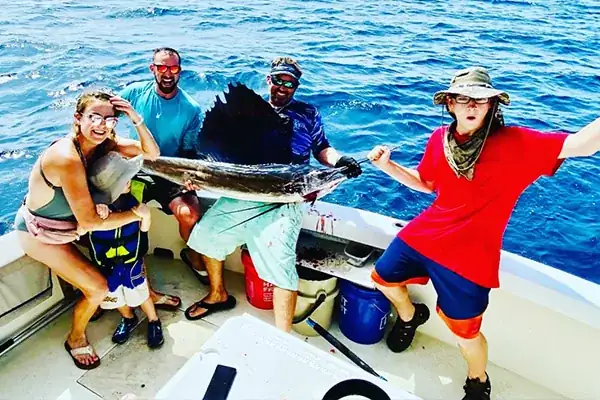
Miami didn't earn its sailfish reputation by accident. Winter brings them close to shore, where charter boats troll the edge of the drop-off looking for that telltale dorsal slicing through the surface. Hook one and the acrobatics start immediately - jumps, tail walks, runs that peel line faster than you can process.
Most crews practice catch and release here. Sailfish aren't prized for eating. They're prized for the memory. And if you're lucky enough to get one boatside, that's a photo worth framing.
Mahi-Mahi Are the Crowd Pleasers
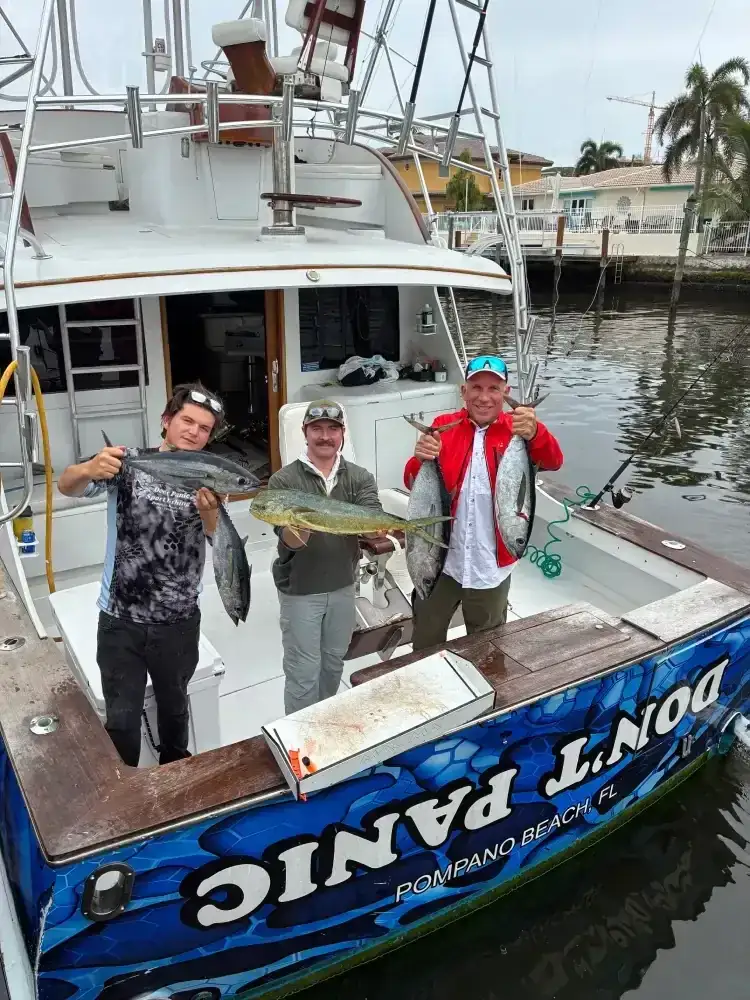
Bright, fast, and aggressive - mahi-mahi check every box for a fun day offshore. They show up in the Gulf Stream during warmer months, often under floating debris or weed lines. Once you find a school, it's game on. They hit hard, run fast, and taste even better grilled that same night.
Captains love them because they keep clients happy. Anglers love them because they're willing to eat just about anything you throw. And if you're planning to cook your catch, mahi-mahi deliver every time.
Snapper Are the Backbone of the Reef
South Florida's reefs are stacked with snapper - mutton, yellowtail, mangrove, and more. These fish live around structure, so if your captain drops you over a wreck or ledge, expect them to show up. They're not flashy, but they're reliable. And when it comes to eating quality, snapper sit near the top of the list.
Night trips often target yellowtail specifically. They feed more aggressively after dark, and a good evening can fill the cooler fast. Keep your bait fresh and your drag tight - snapper don't give you much room for error.
Kingfish Run Hard and Fast
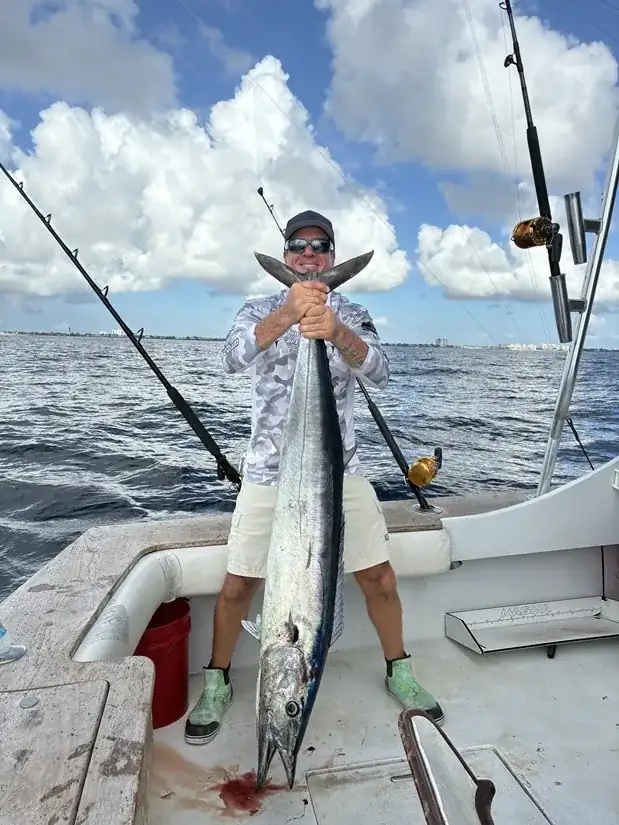
King mackerel are built for speed, and they use every bit of it when hooked. Spring and fall bring the best runs, when schools move through South Florida's coastal waters in numbers that keep rods bent. Kings hit live bait with authority, and once they're on, it's a straight sprint toward the horizon.
They've got teeth that'll cut through mono like paper, so wire leaders are mandatory. And if you're into tournament fishing, kings are a staple on the leaderboard. Just don't underestimate how fast they can strip a reel.
Grouper Hold the Bottom Like Anchors
Grouper don't fight clean. They dive back into the reef the second they feel the hook, and if you don't stop them fast, you're done. Black grouper, gag grouper, red grouper - they all play the same game. Heavy tackle and quick reflexes are the only way to win.
Regulations change depending on the species and season, so your captain will know what's open and what's off-limits. But when you do land one, grouper fillets are among the best fishing spots in South Florida.
Snook Lurk in the Mangroves
Inshore anglers chase snook through the backcountry, around docks, and along the beaches. These fish are ambush predators, waiting in the shadows until something drifts past. When they strike, it's explosive - and the fight that follows is all power and head shakes.
Snook are heavily regulated. Seasons, slots, and bag limits all apply, and most captains lean toward release anyway. But for light tackle fans who want a challenge close to shore, snook are the prize.
What Else Swims Through
South Florida's variety doesn't stop at the headliners. Depending on the day and the depth, you might hook into any of the following:
- Wahoo - razor-toothed speedsters that hit trolled baits at full throttle.
- Blackfin tuna - smaller than their Pacific cousins but just as tough.
- Cobia - powerful migratory fish that show up near buoys and rays.
- Barracuda - aggressive and toothy, often caught while targeting other species.
- Bonito - great for live bait or a quick fight on light tackle.
Timing Matters More Than Luck
The calendar dictates what's biting and where. Sailfish peak in winter. Mahi-mahi dominate spring and summer.
Tarpon migrate through from April to June. Kingfish run heaviest in fall. If you're serious about targeting a specific species, the best times of year for deep sea fishing during their prime window.
Tides, moon phases, and water temperature all play a role too. A good captain tracks these variables daily and adjusts the game plan accordingly. You don't need to know the science - you just need to trust the person running the boat.
Offshore Versus Inshore Strategy
Where you fish determines what you catch. Offshore trips mean deeper water, bigger fish, and longer runs. That's where sailfish, mahi, wahoo, and tuna live. Inshore charters stay closer to the mangroves, flats, and reefs - targeting snook, snapper, grouper, and tarpon.
Both styles have their appeal. Comparing inshore vs offshore fishing charters is adrenaline and trophy potential versus finesse and variety. Some charters split the difference and work both zones depending on conditions and what's biting.
What to Expect on the Deck
Every charter handles things a little differently, but most include the basics:
- Rods, reels, and tackle - provided by the boat.
- Bait and lures - live or artificial depending on the target.
- Fishing licenses - usually covered for you.
- Ice and coolers - if you're keeping your catch.
- Cleaning and filleting - many captains will prep your fish at the dock.
Gear That Matches the Fight
Heavy rods for grouper and kingfish. Light tackle for snook and trout. Fly rods for tarpon if you're into that.
The right setup matters, and most crews have options for every skill level. If you've got preferences, speak up before the lines go in.
Why the Captain's Call Matters
You can request a species, but the ocean doesn't take requests. A good captain reads the conditions and pivots when needed. Maybe the sailfish aren't showing, but the mahi are stacked under a weed line two miles south. Maybe the snook bite is dead, but the tarpon are rolling in the channel.
Flexibility wins trips. Stubbornness wastes time. Trust the experience behind the wheel, and you'll have a better shot at going home with stories worth repeating.
South Florida Delivers If You Show Up Ready
The fish are here. The water's warm year-round. The captains know their zones.
If you are after a trophy sailfish, a cooler full of snapper, or a tarpon that makes your forearms scream, South Florida's got the goods. Just pick your season, pick your target, and let someone who lives on the water show you where to drop a line.
Which of These Fish Do You Want on the Line?
Nothing beats reeling in the fish you came for off the South Florida coast, and our crew knows these waters and what is biting. Whether you want a sailfish photo or a cooler full of snapper, we will build the day around it. Give us a call at (954) 263-4648 with questions about the bite, or contact our Pompano Beach crew to set a date.
Frequently Asked Questions
When is sailfish season off Pompano Beach?
Sailfish peak between November and March, when the winter cold fronts push them close to shore along the Gulf Stream edge. Our sailfish fishing charters in South Florida troll live bait right on that drop-off, just a few miles out of Hillsboro Inlet. Sailfish are released after the photo.
Where do you find mahi-mahi on a charter?
Mahi-mahi show up under weed lines and floating debris in the Gulf Stream, mostly in spring and summer. Because the current runs so close to Pompano Beach, a mahi-mahi fishing charter here does not need a long run to reach them. They are also one of the best-eating fish you can bring home.
Are licenses and tackle included on your charters?
Yes. Every trip includes fishing licenses, all rods, reels and tackle, bait, safety gear, iced coolers and bottled water. You just bring food, drinks and sunscreen. A mate rides along on every charter to rig baits and coach you through the fight.
Can we keep what we catch?
Snapper, grouper, mahi-mahi, blackfin tuna and wahoo are excellent table fare, and your catch goes on ice in the cooler. Sailfish and tarpon are catch-and-release. Regulations change by species and season, and your captain knows what is open on the day you fish.