By Don't Panic Sportfishing General
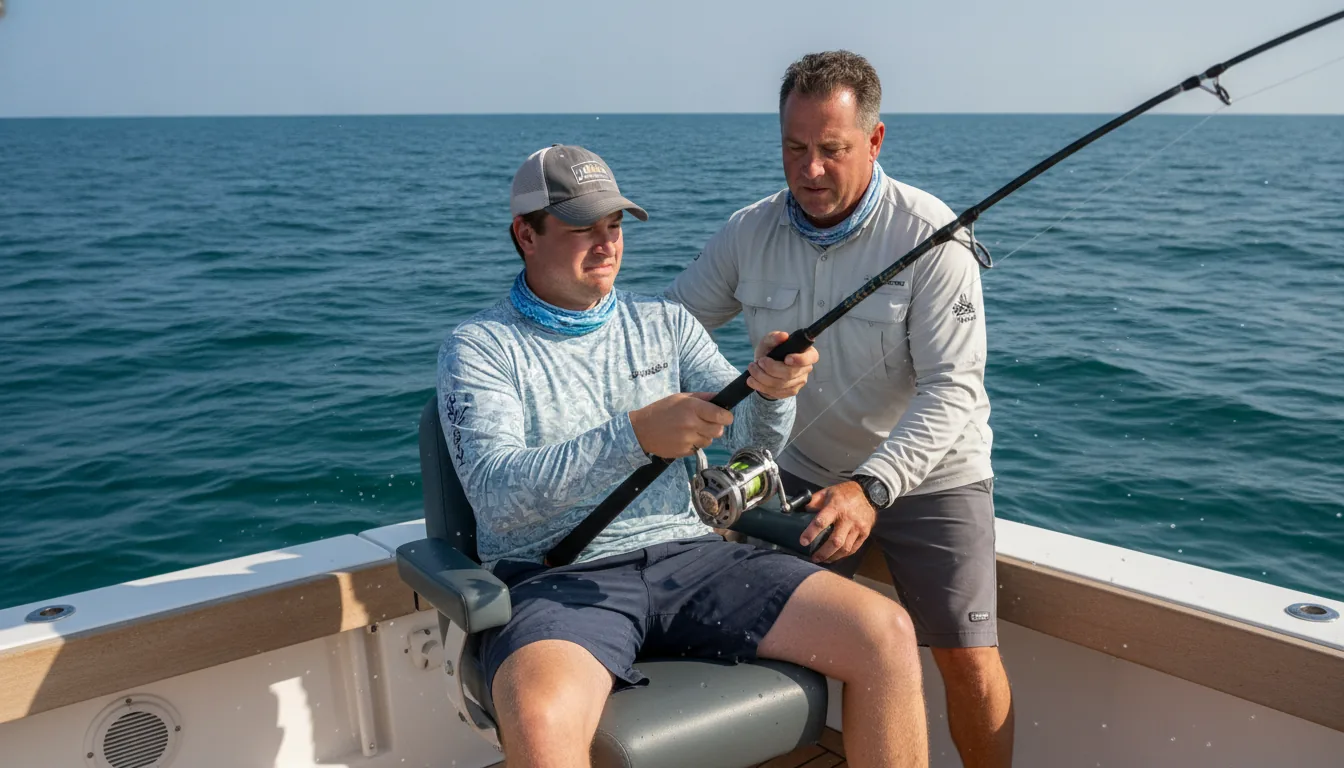
Most people booking a first offshore trip out of Pompano Beach are not worried about whether the fish will bite. They are worried about looking foolish. They picture everyone else aboard knowing exactly where to stand, which rod is which, and what to do when a reel starts screaming.
That worry is close to universal, and it is also unfounded. Offshore charter fishing in south Florida is built on the assumption that the people paying are not professionals. The crew handles the technical work. You handle the part that is fun, and you get coached through it in plain language.
Here is what the day really looks like from the moment you step aboard, with nothing dressed up and nothing left out.
You Do Not Need to Own or Understand Any Gear
Rods, reels, line, leaders, hooks, bait, lures, gaffs, the cooler and the ice are all on the boat before you arrive. So is the fishing license. A Florida charter vessel carries coverage for everyone fishing aboard, so there is nothing for you to buy or register ahead of time.
You also do not need to know what any of it is called. Nobody is going to hand you a reel and ask you to set the drag. The tackle that goes out behind the boat on an offshore trip past Hillsboro Inlet gets rigged by the crew, matched to what is feeding, and changed again as the day changes.
If you own a rod you love, bring it and Capt. Ron will tell you honestly whether it suits the water that day. Most first-timers show up empty-handed, and it changes nothing about how the trip goes.
What the Mate Does and What You Do
There are two jobs on a charter besides yours. Capt. Ron runs the boat, reads the water, finds the structure and decides where the baits ride. The mate works the deck: rigging, setting lines, watching the spread, clearing rods, gaffing fish and handling anything with teeth.
Your job is narrow on purpose. Stay clear of moving line, listen when the mate talks, and when a fish is yours, take the rod and reel. That is the entire list.
The cockpit on both of our boats is laid out so guests have somewhere to be that is not in the working lane. If you are unsure where to stand, ask once at the start and you will know for the rest of the trip.
One more thing worth knowing: nobody is grading your technique. The crew spends most days with people who fish once a year, and a question asked out loud is easier for them than a mistake they have to undo later.
How a Strike Happens and What Your Turn Means
Trolling means the boat keeps moving while several baits ride behind it at different distances. When something eats one, the reel gives up line with a sound you will not mistake for anything else. The rod tip loads and the spool starts spinning fast.
That is the moment the deck gets loud and busy, and almost none of the noise is aimed at you. The mate clears the other lines so nothing tangles. The captain adjusts speed and heading. Then someone says a name, and that name is who gets the rod.
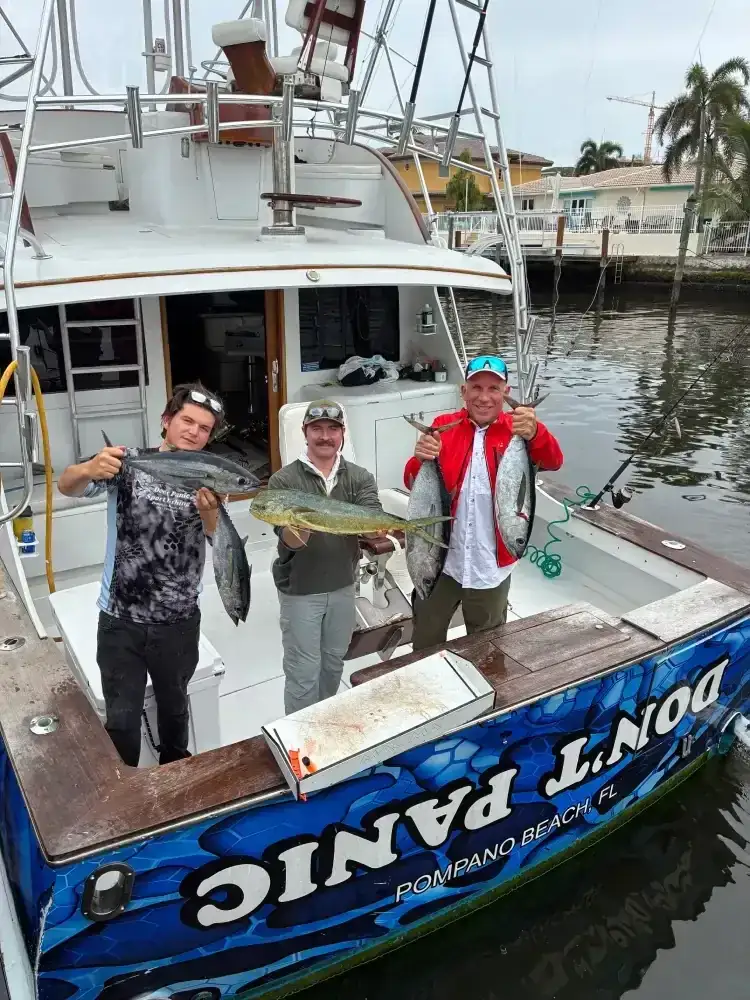
With a group of six, the crew sets a rotation before the first bait goes in the water. Whoever is next takes the next fish, whether that is a ten pound bonito or something that pulls far harder. If you want to hand your turn to your kid or your father-in-law, say so and the order shifts. Nobody keeps score.
When the rod is handed to you, the mate puts the butt where it belongs and points your feet where they need to be. You do not have to understand any of that beforehand. Hold on, listen, and do what you are told, which is a deliberately low bar.
Fighting a Fish Is Technique, Not a Strength Contest
This is the part beginners dread most, and it is the part the crew talks you through word by word. Lift the rod, wind down as you lower it, keep the line tight, do not pump wildly. The reel does the holding. Your arms do the gathering.
Drag gets set by the crew so the fish tires against the reel rather than against you. A fish that feels immovable is usually a fish someone is trying to out-muscle instead of out-wait. When the mate tells you to slow down, slowing down is what works.
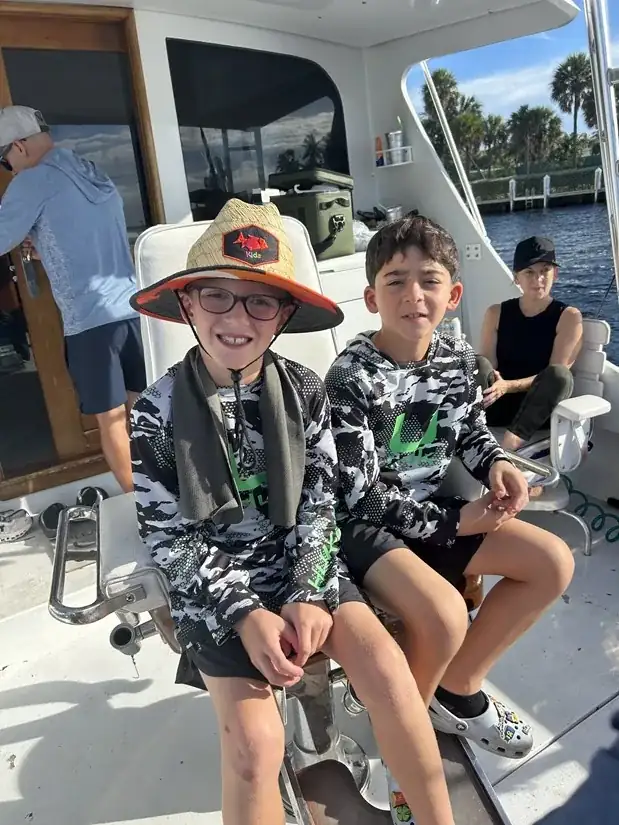
Kids and smaller adults land good fish on our boats constantly, which is why family trips across Broward County turn out to be some of the most productive days we run. Following instructions matters far more than arm size. If you are spent, hand the rod off. That is not quitting, that is how crews fish.
The one habit worth unlearning early is yanking. Big sweeping jerks pull hooks and put slack in the line, and slack is how fish come off. Short, steady lifts with the line tight land more fish than effort does.
Trolling Means Waiting, and the Waiting Is Part of It
Television edits out the hours. A real offshore day has long stretches where nothing happens: baits are out, the boat is working a line of structure, and you sit. That is not the trip going wrong. That is the trip working the way it is supposed to.
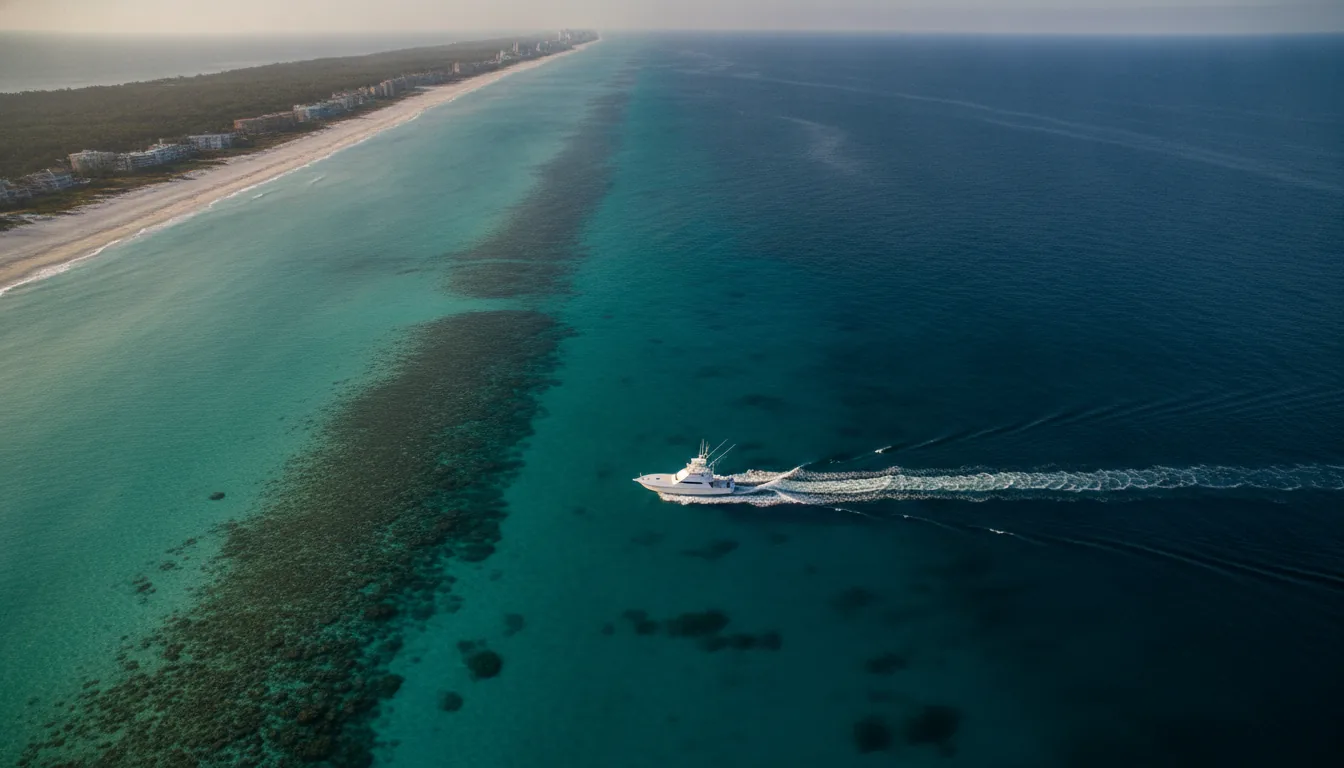
The reefs, wrecks and the Gulf Stream drop-off we fish sit roughly one to five miles offshore of Hillsboro Inlet, and covering that water takes time. Capt. Ron is reading temperature breaks, bait sign, birds and color changes the whole while. The quiet stretches are when the searching happens.
Trolling is not the only thing we do, and the alternative suits some beginners better. Working a wreck or a reef edge means the boat slows or sits, the baits go straight down, and you hold the rod yourself waiting to feel the bite in your hands. Snapper and grouper come off that structure, and so do surprises like cobia parked over a wreck.
Four hours is usually the right first dose. A half day charter at $850 for the group gives you genuine offshore fishing without asking an untested stomach to hold out for six hours. Those trips leave at 7:00 AM and 12:00 PM.
What You Might Catch Off Pompano Beach, and What Nobody Can Promise
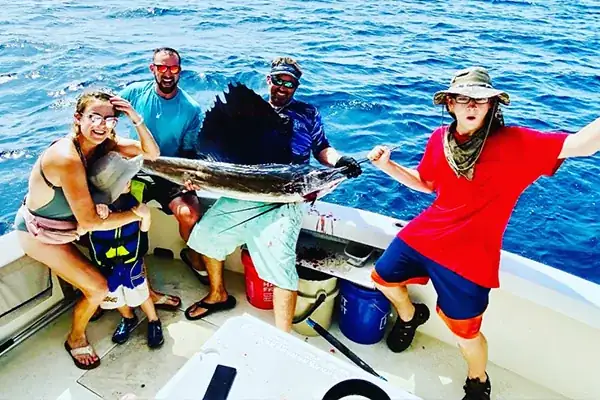
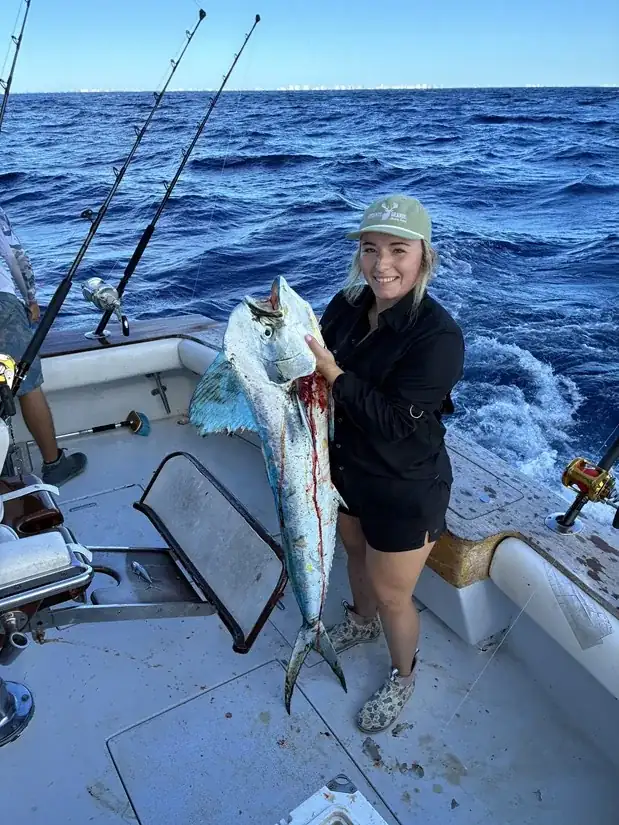
We target eleven species along this coast: Sailfish, Mahi-Mahi, Blackfin Tuna, Wahoo, Snapper, Grouper, Kingfish, Cobia, Skipjack Tuna, Barracuda and Bonito. Which ones show up depends on the month, the water temperature, the current and where the bait is holding.
No honest captain promises a specific fish on a specific day. Anyone who does is selling you something the ocean never agreed to. What a good crew can promise is that the baits will be in the right water, rigged correctly, and moved when the water stops producing.
Fishing out of Pompano Beach and the Hillsboro Inlet area helps. The reef edge and the blue water sit close enough together that a slow morning on one can turn into a decent afternoon on the other. Keeping fish is a separate question, and FWC rules decide it. The crew will tell you on the spot what goes in the cooler and what goes back.
Honest expectations help more than hope does. Some days produce a cooler full of snapper and a pair of kingfish. Other days produce two bites, one of which gets away, and you still had a good morning on the water.
Seasickness, Handled Frankly
Plenty of people get queasy offshore, including people who have spent their whole lives around boats. There is no embarrassment attached to it and the crew has seen it more times than they could count. What matters is timing and honesty.
Whatever you plan to take, take it before you leave the dock and follow the label, which for most products means starting the night before. Medication that needs to be in your system already will not rescue you once you feel bad. Eat something plain beforehand, drink water, and keep your eyes on the horizon rather than down at the deck or your phone.
If you start feeling off, tell the mate right away. Early is fixable: air at the rail, a seat out in the open, a change of heading, a few minutes with the boat stopped. Wait until you are miserable and the options shrink. Our walkthrough of getting ready for a first charter covers what to eat and wear before you arrive.
First Trip? Tell Us That When You Book
Saying you have never fished offshore is useful information, not an admission. It changes how the crew briefs you, how the rotation gets set, and how much coaching comes with your first bent rod.
Text Capt. Ron at (954) 263-4648 with the date you have in mind, how many are coming, and whether you would rather chase one big fish or keep the rods bending. You can also tell Capt. Ron it is your first offshore trip in writing, and it reaches him the same way.
Frequently Asked Questions
Do I need a fishing license to come on a charter?
No. The vessel carries the license coverage for everyone fishing aboard, so there is nothing for you to buy or apply for beforehand.
What if I have never used a rod and reel before?
That describes a large share of the people who fish with us. The mate shows you the motion when your turn comes and talks you through the fight, and the drag is already set so the reel does the hard part.
How do we decide who fights which fish?
The crew sets an order before the first bait goes out and works down that list as fish come. You can trade or pass your turn to someone else at any point, and most groups do.
Are we guaranteed to catch fish?
Nobody can guarantee that, and anyone who tells you otherwise is overselling. What we control is being in productive water with properly rigged baits and moving when the bite goes quiet.
What happens if I get seasick once we are out there?
Tell the mate as soon as you notice it. Fresh air, an open seat, a change of heading or a short stop handles most cases when we hear about them early.