By Don't Panic Sportfishing General
Most anglers think it's just about what swims where. Deep water versus shallow structure. Big game versus steady action.
But Florida's fishing scene has more layers than that - and if you're not thinking through what you actually want from a trip, you're setting yourself up for disappointment. Both options put fish on the line. The difference is in how you get there, what you're chasing, and If you are built for the grind or the haul.
So here's the reality. If you're heading offshore to test yourself against something massive, that's one game. If you're working structure for variety and dinner-worthy catches, that's another.
Neither is better until you define what "better" means. And that starts with knowing what each one demands - not just what it promises.
Blue Water Means Big Commitment
Offshore fishing isn't a half-day hobby. You're burning fuel to get out past the continental shelf, sometimes twenty or thirty miles from land. The boats are bigger. The rods are heavier.
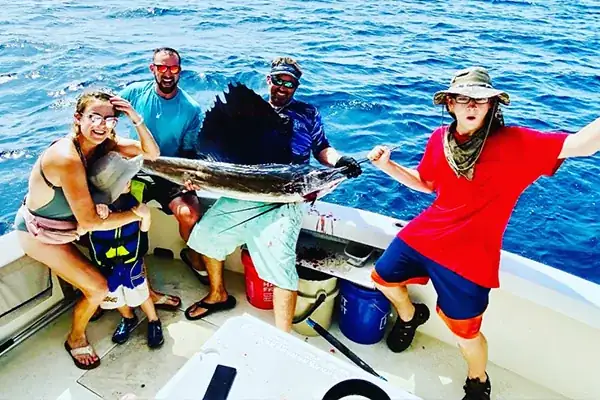
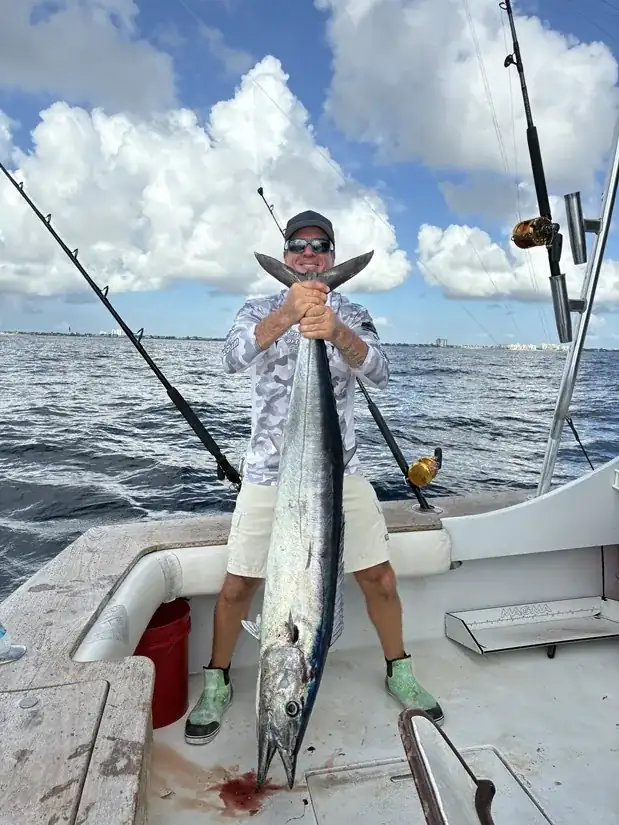
The fish you're after - marlin, sailfish, tuna, wahoo - don't play nice. When something hits, it's not a quick fight. You're in for a battle that tests your grip, your patience, and whether you remembered to stretch beforehand.
But that's the appeal. The open ocean has no crowds, no structure to hide behind. It's just you, the crew, and whatever decides to take your bait.
The payoff is a shot at trophy fish that most people only see on a dock or a screen. The cost is time, money, and the willingness to deal with rough water and long stretches of nothing.
Reefs Deliver Consistency
Reef fishing plays a different hand. You're working closer to shore, usually within sight of land, around natural coral or artificial wrecks. The water's calmer.
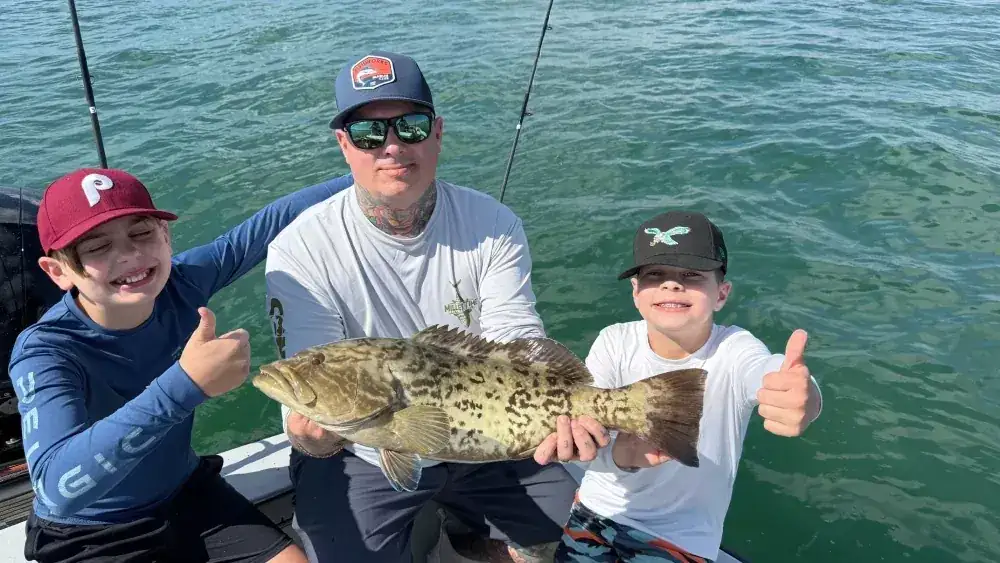
The trips are shorter. And the fish are everywhere. Snapper, grouper, amberjack, hogfish - they stack up around structure, and once you find a productive spot, the action doesn't stop.
This is where you go when you want volume and variety. The bites come fast, and you're not waiting hours between hookups. The species you catch are the kind people actually want to eat, which means your cooler matters as much as your drag setting.
It's less about the fight and more about the haul. Less drama, more dinner.
What Deep Sea Fishing Demands From You
Offshore isn't for everyone, and pretending otherwise is a waste of everyone's time. The trips are longer. The seas can get rough. And if you're prone to motion sickness, you'll know it real fast once you're past the breakers.
Here's what you're signing up for:
- Full-day or multi-day charters that eat up your calendar.
- Higher costs for fuel, crew, and specialized tackle.
- Physical endurance to fight fish that don't quit.
- Weather dependence that can scrub trips with little notice.
- Rough water that makes standing, baiting, and reeling a workout.
If that sounds like a dealbreaker, it probably is. But if you're chasing the kind of fish that end up on a wall, this is the only way to get there.
What Reef Fishing Gives You Instead
Reef trips are the opposite of a grind. You're out and back in a few hours. The water's manageable.
And the fish cooperate more often than not. This is the go-to for families, first-timers, or anyone who just wants to catch something without turning it into an endurance test.
Here's why people lean toward the reefs:
- Shorter trips that don't kill your whole day.
- Calmer seas that keep motion sickness in check.
- Lower costs for charters and fuel.
- Frequent bites that keep everyone engaged.
- Quality eating fish that make the trip worth it.
You won't land a marlin. But you also won't spend eight hours staring at flat water wondering if anything's down there.
Target Species Shape the Trip
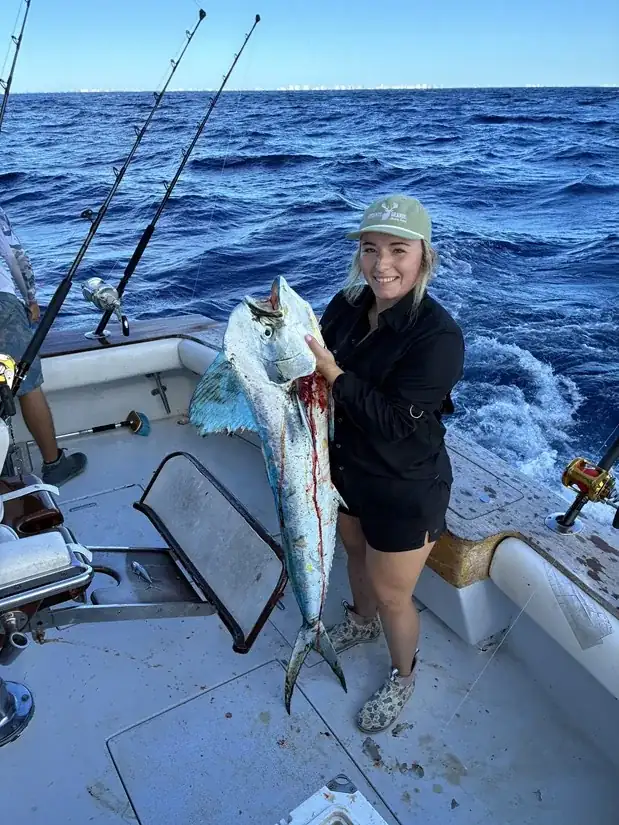
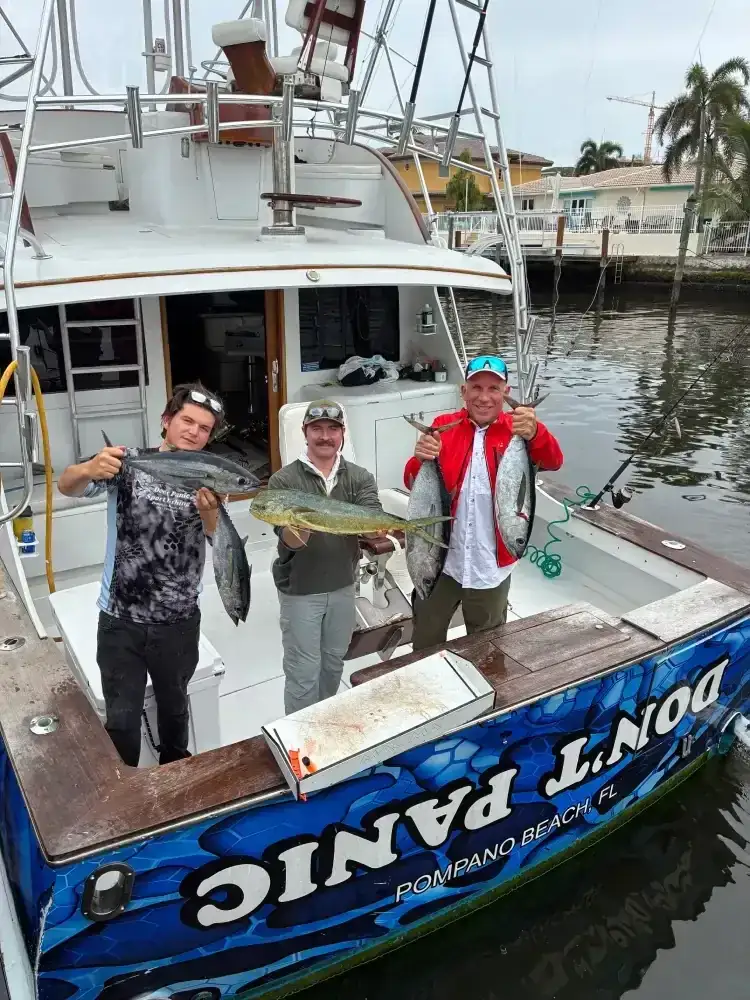
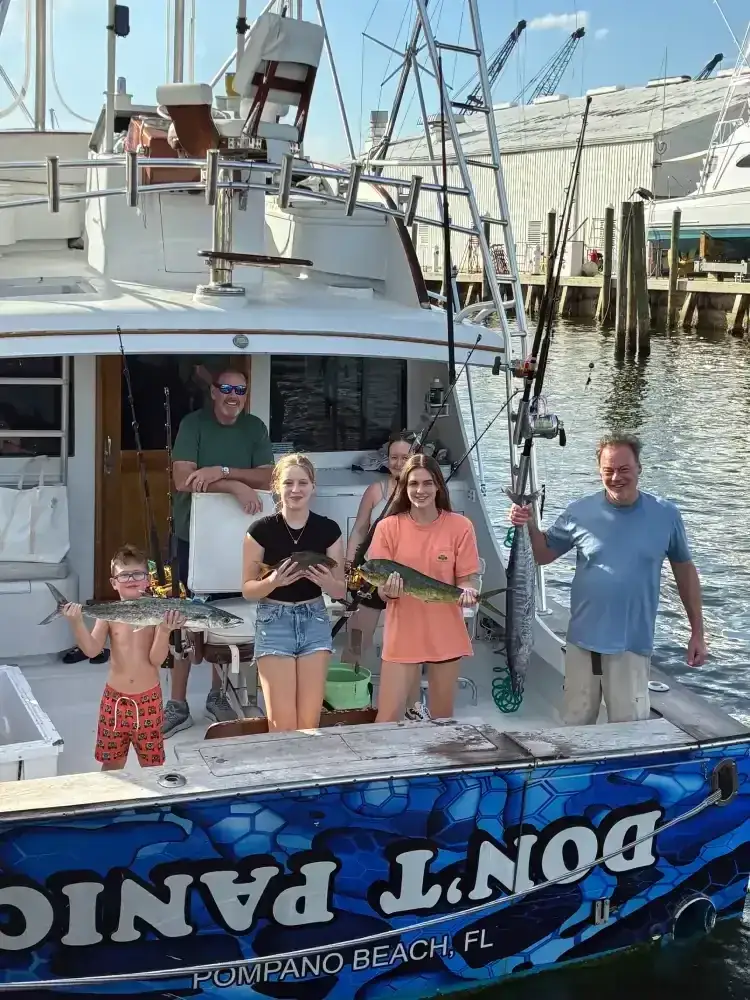
What you're after matters more than where you think you should go. Deep sea fishing is about chasing apex predators and pelagic speedsters. We're talking marlin, sailfish, yellowfin tuna, mahi-mahi, and wahoo. These are fish that migrate, hunt in open water, and require serious tackle to land.
Reef fishing targets bottom dwellers and structure lovers. Snapper and grouper hide in the rocks. Amberjack circle the wrecks. Barracuda patrol the edges.
Hogfish dig into the sand. The variety is higher, and the species are easier to manage once you hook them. If your goal is a full cooler and a solid fish fry, the reefs win every time.
Gear and Tackle Aren't Interchangeable
You can't show up to a deep sea trip with reef tackle and expect to survive a hookup. Offshore rods are built for brute force. Reels hold hundreds of yards of heavy line. Lures and baits are bigger, tougher, and designed to survive high-speed trolling or deep drops.
Reef fishing uses lighter gear because the fish are smaller and the structure is closer. You're dropping baits or jigs straight down, not casting into the horizon. The setup is simpler, cheaper, and easier to replace if you lose something to a coral head.
Cost Breakdown Matters
Offshore charters run higher because everything about them costs more. The boats burn more fuel. The trips take longer.
The crew works harder. You're looking at anywhere from several hundred to over a thousand dollars depending on the boat, the length, and the season.
Reef charters are more affordable. Half-day trips can run a fraction of what offshore costs, and you're still getting plenty of action. If you're fishing on a budget or just testing the waters, the reefs are the smarter play.
Decide Based on What You Want, Not What Sounds Cool
Don't pick deep sea because it sounds more impressive. Don't pick reef fishing because it's cheaper. Pick based on what you're actually trying to do.
If you want a trophy, a story, and a test of your abilities, go offshore. If you want a productive day with plenty of fish and minimal hassle, hit the reefs.
Here's how to think it through:
- Are you chasing a specific species or just looking to catch fish?
- Do you have a full day to burn or just a few hours?
- Are you comfortable with rough water and long boat rides?
- Is your budget flexible or locked in?
- Do you care more about the fight or the cooler?
Answer those honestly, and the choice makes itself.
Weather Plays a Bigger Role Offshore
Reef trips can handle chop and light wind. Offshore trips can't. When the forecast turns, deep sea charters get canceled.
You're dealing with swells, wind speed, and visibility that can make the trip dangerous or just miserable. Reef fishing has more flexibility because you're not traveling as far and the water's more protected.
If you're booking a trip around a tight schedule or traveling from out of state, that weather risk is something to factor in. Offshore trips get scrubbed more often, and rescheduling isn't always an option.
Both Have a Place in a Serious Angler's Rotation
We're not saying one's better. We're saying they're different tools for different goals. Florida's waters let you do both, and most experienced anglers bounce between them depending on the season, the conditions, and what they're in the mood for.
Some days you want the grind. Some days you want the haul. Both are valid.
The worst move is showing up unprepared or booking the wrong trip because you didn't think it through. Know what you're getting into. Pick the option that fits your skill level, your timeline, and your expectations.
And if you're serious about fishing in Florida, you'll end up trying both - because each one teaches you something the other can't. If you are targeting trophy fish offshore or working the reefs for consistent action, understanding inshore vs offshore fishing charters will help you make the right choice. If you're ready to experience what to expect on a fishing charter, now's the time to book your trip and get on the water.
Deep Water or Reef? Tell Capt. Ron and He Will Plan It
Every angler has a different picture of the perfect day, and we will help you make the right call, whether that is a trophy offshore or a cooler full of reef fish. Tell us what you are after and we will set up a trip you will remember. Phone (954) 263-4648 or contact us about a Florida fishing trip.
Frequently Asked Questions
How far offshore do you run from Pompano Beach?
Not far. Productive reef, wreck and ledge structure starts about a mile out, and the shelf drop-off is no more than 5 miles from Hillsboro Inlet, with the Gulf Stream hugging the coast. Our offshore fishing charters in Broward County have the grounds just outside the inlet, so you skip the long runs the article describes.
Can one charter fish both the reef and the blue water?
Yes, and that is common on a six-hour or full-day trip. The captain can troll the edge for sailfish or mahi, then drop baits on structure for snapper and grouper. A grouper fishing charter and an offshore troll can happen in the same afternoon when conditions cooperate.
What does a private charter cost?
A private 4-hour trip is $850, 6 hours is $1,250 and a full 8-hour day is $1,600, and the boat holds up to 6 guests. Licenses, tackle, bait, ice and bottled water are included. A 20 percent gratuity for the crew is customary.
Which trip is better if I get seasick?
Shorter trips closer to shore are easier on your stomach, and a morning departure usually means calmer seas. Follow the directions on your motion sickness medication and take it before you board. Both of our boats also have an air-conditioned salon where you can sit down if the motion gets to you.